The music
What music you may hear
Overtures, serenades, arias, waltzes, polkas and a famous march: a plain guide to the Mozart and Strauss forms behind a Schönbrunn concert night.
Choose your concert night ↗Quick answer
A Schönbrunn concert draws on two Viennese worlds. Before the interval come Mozart's opera overtures, arias and duets for soprano and baritone, sometimes alongside his instrumental serenades. After it come the Strauss family's waltzes, polkas, operetta numbers and marches. The organiser picks the pieces and can change them, so this guide explains the forms, not a fixed programme.
Mozart in the first half
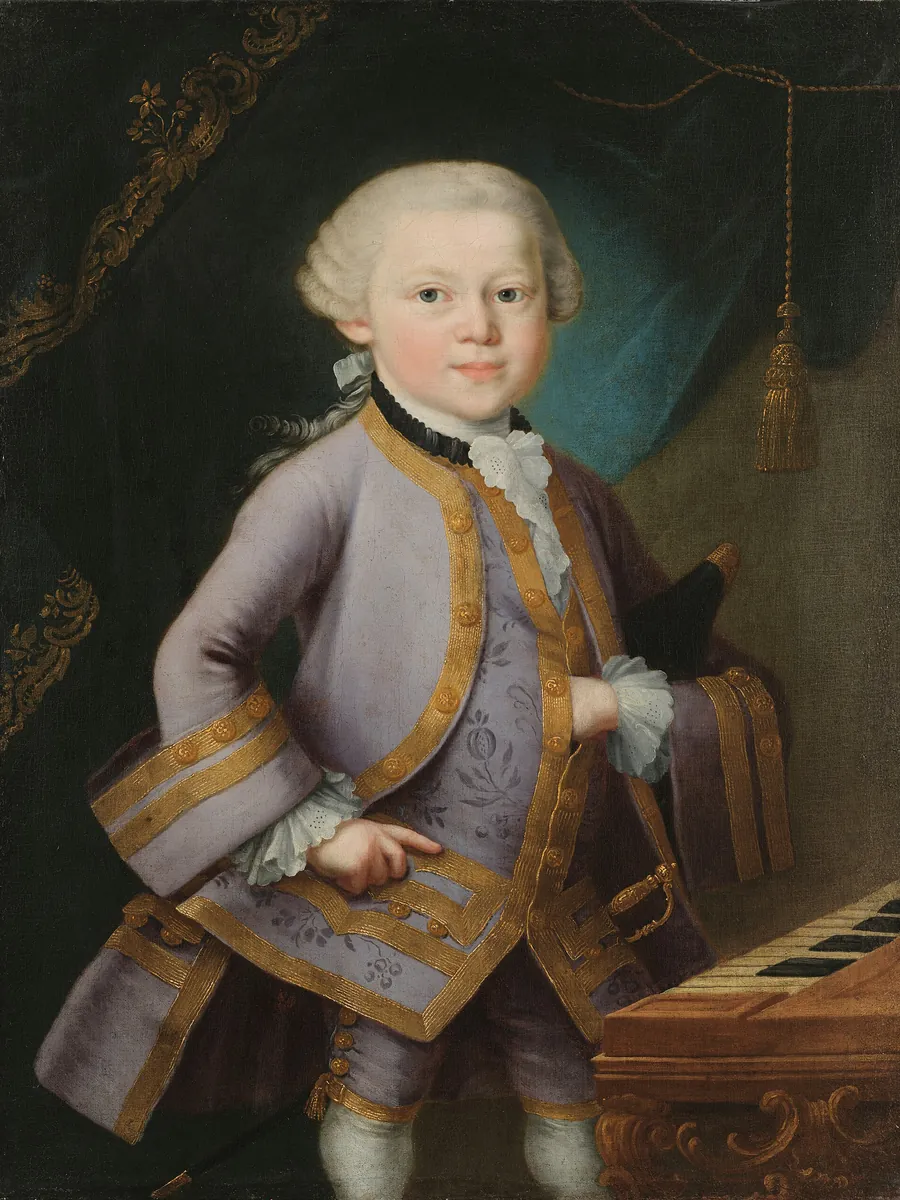
The first half of the evening leans on Mozart's operas. The organiser names The Marriage of Figaro, The Magic Flute and Don Giovanni among the operas it draws from. An overture is the orchestral opening of an opera, written to set the mood before anyone sings, which makes it a natural way to start a concert. Arias are solo songs from the operas, and duets put the two singers together.
A duet for two voices
With one soprano and one baritone on stage, duets written for exactly those voices suit the evening. Wikipedia's article on Là ci darem la mano describes it as a short duet from Don Giovanni in which the baritone Don tries to persuade the young bride Zerlina, a soprano, to come away to his castle. She wavers, then agrees, just before another character arrives and spoils his plan. It shows how much story Mozart could pack into a few minutes, and why such duets suit a concert without staging.
The Magic Flute
Mozart's last opera had its premiere in Vienna in 1791, two months before his death. Wikipedia calls it a Singspiel, a popular form mixing songs with spoken dialogue, and singles out its range of colours, from the bird-catcher Papageno's whistle to the Queen of the Night's coloratura. It also notes a link back to the Orangery: a Papageno duet resembles a number in Salieri's 1786 opera, the very piece performed against Mozart's that February night.
A little night music
Not everything is vocal. Eine kleine Nachtmusik, Mozart's Serenade No. 13, was finished in Vienna in August 1787. Wikipedia explains that the famous title is just his catalogue note for a small serenade, and that nobody knows why he wrote it or whether it was played in his lifetime. Wikipedia adds that most of Mozart's serenades were written to commission, music made for an occasion.
Strauss in the second half
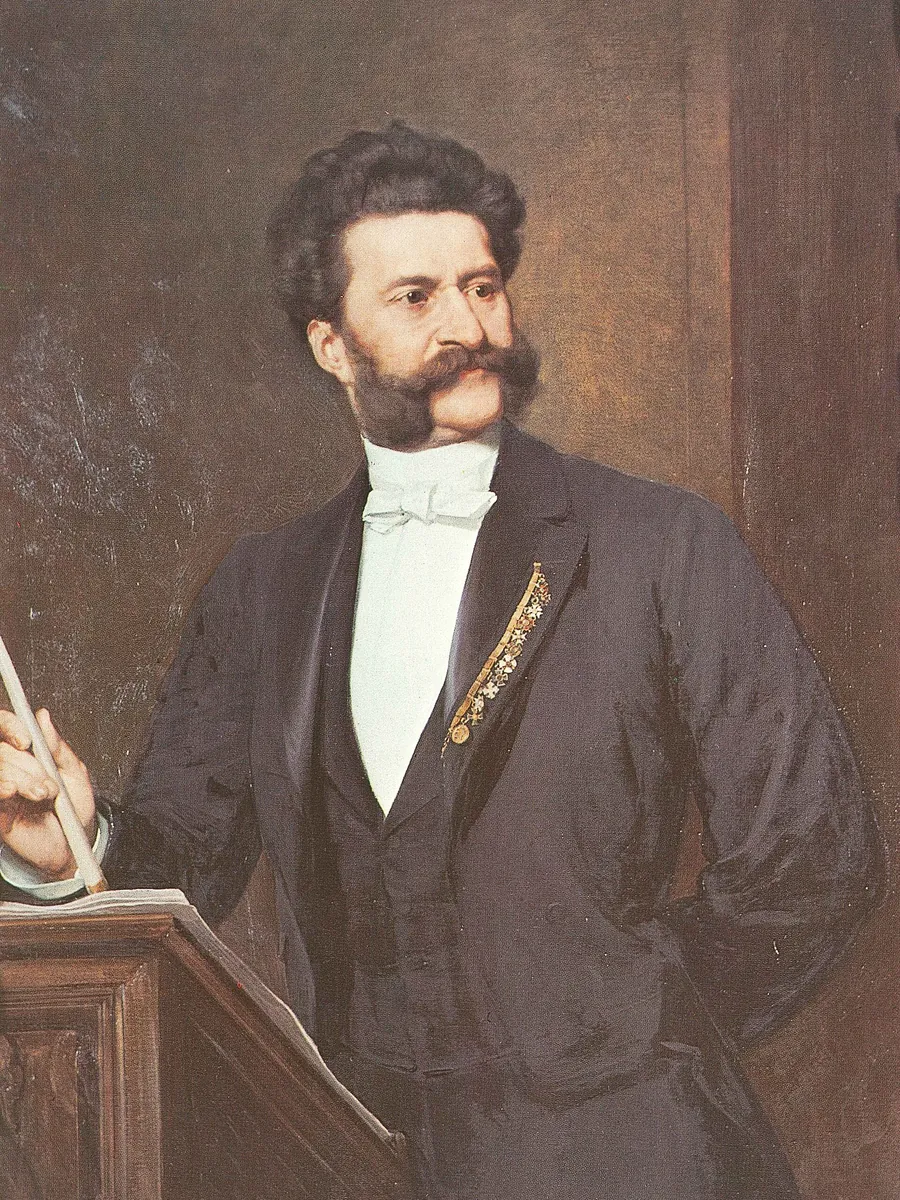
Wikipedia credits Johann Strauss II, the Waltz King to his contemporaries, with more than 500 dances including waltzes, polkas, quadrilles and marches, along with operettas. Wikipedia names The Blue Danube, the Emperor Waltz, Tales from the Vienna Woods, Voices of Spring and the Tritsch-Tratsch-Polka among his most famous works, and Die Fledermaus as his best-known operetta. His father, Johann Strauss I, and his brothers Josef and Eduard also wrote dance music.
Waltz, polka and march
The Viennese waltz is fast: Wikipedia puts it at about 180 beats a minute, roughly twice the speed of the slow ballroom waltz, with couples turning constantly. The polka is a lively dance in two-four time from 19th-century Bohemia. The Radetzky March, by Strauss the elder, dates from 1848 and has become the familiar closing encore of the Vienna Philharmonic on New Year's Day.
Who this isn't for
Rarity hunters, and anyone after a complete opera or a symphony, should pick another evening: the programme is built from crowd-pleasers. Listeners who know the pieces well may find the selection familiar, while newcomers often find it a friendly first step into both composers.
Frequently asked questions
Will they play The Blue Danube?
It may well appear, but the organiser chooses the programme and can change it, so no single piece is guaranteed. The second half is built from Strauss waltzes, polkas and operetta.
Is it suitable for someone new to classical music?
Yes. The programme is built from popular overtures, arias and dances, and the forms are easy to follow even on a first visit.
Which Strauss wrote the Radetzky March?
Johann Strauss I, the father, wrote it in 1848. Most of the waltzes and polkas come from his son, Johann Strauss II.
Sources